Seminar series on advances in materials (spring)
MSE-470(b)
Media
Welcome to the IMX Seminar series.
The
following information is only relevant if you want to receive credits
for this course or for attending one of the seminars:
(1) If you are an EDMX graduate student, you require at least ten signatures for your candidacy requirement. To get these signatures you must attend at least 10 seminars, either in person (preferred) or virtually (if your PhD project is not based in Lausanne, or individually in exceptional cases).
Attendance sheets are available from the EDMX administration.
- For in person attendance, bring your sheet with you and get it signed at the end of each seminar OUTSIDE the seminar room MXF 1 by the course TA, Kewei Zhou, email: kewei.zhou@epfl.ch
- If you attend online, sign in to zoom with your full name, so that the TA can verify your attendance throughout the entire seminar. When you require the signatures, it is your responsibility to email the TA, Kewei Zhou (email: kewei.zhou@epfl.ch), your scanned attendance sheet, which she will verify against the zoom attendance list and sign accordingly.
(2) If you are taking the seminar series as a course for credit (either as a PhD student or a Master's student), you must make sure to be registered on IS Academia. The exam takes place during exam session and is based on material provided and presented by the different speakers. Importantly, you have to read the papers that will be provided for each speaker. Speakers will be divided into two groups, each student will be asked in advance to select the group on which they will be examined. You must select one of the two groups before taking the exam. Stay tuned for the exam announcement.
(3) Moodle is the primary mode of contact for this course. Please check in regularly.
(4) The Zoom link for this course is:
https://epfl.zoom.us/j/68060787575
Meeting ID: 680 6078 7575
(5) The program can be found at this link and here:
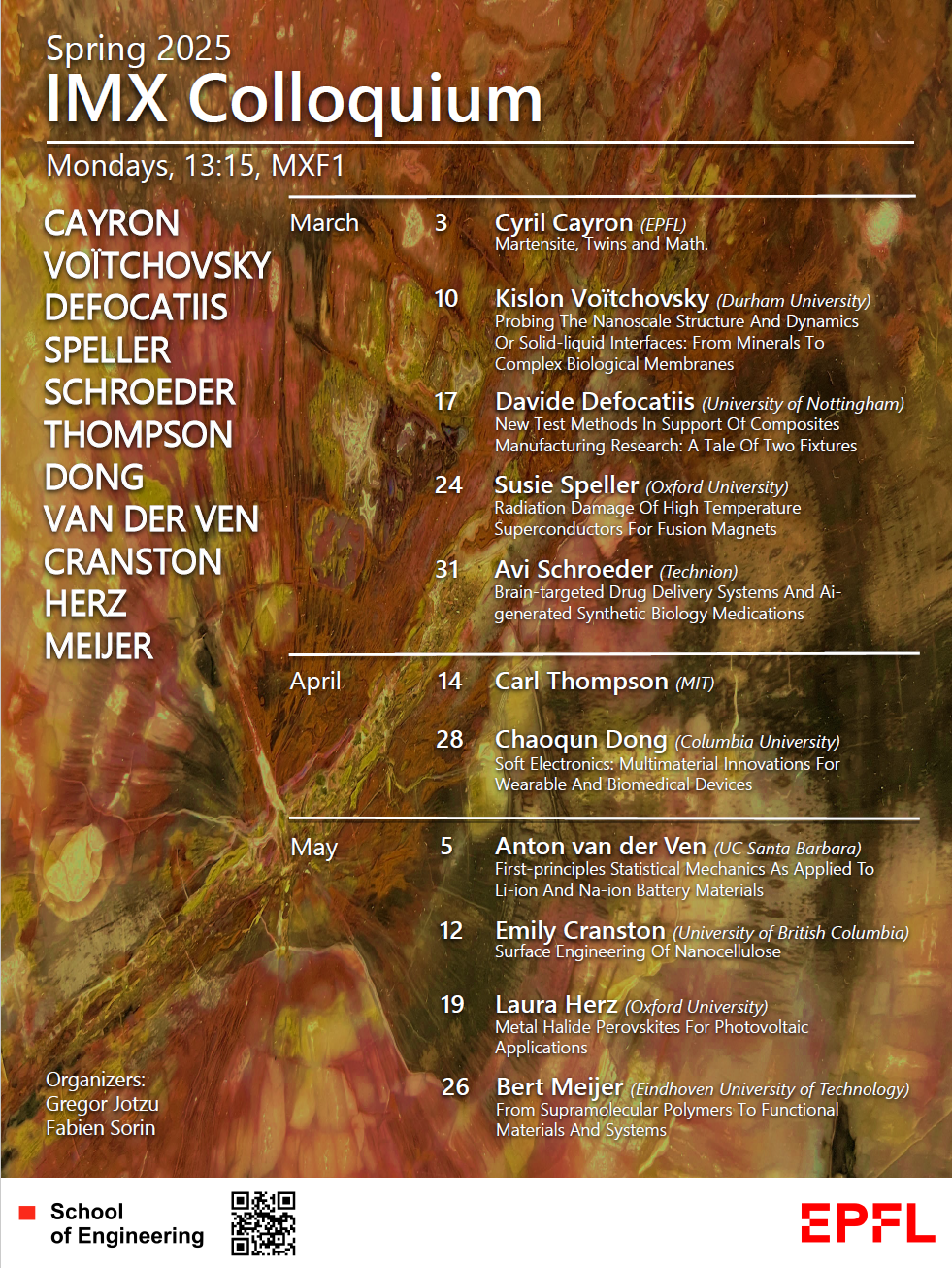
17 Feburary - no seminar
24 February - no seminar
3 March: Cyril Cayron
Title: Martensite, twins and math.
Speaker: Dr. Cyril Cayron, EPFL
Abstract
Metallurgists spend part of their time trying to modify the chemical compositions and thermomechanical parameters of the alloys to improve their mechanical properties by forming complex microstructures. Understanding these microstructures requires curiosity, efforts and … math. Let me give two examples. 1) Martensite forms complex intricate assemblies of laths or plates that can be very hard, as in the steels used for sharp knives, or very soft, as in shape memory alloys. Twenty years ago, I understood that martensite variants can be defined from the parent and martensite symmetries by a mathematical structure called groupoid. The groupoid composition table is a kind of signature of the phase transformation; it can be used to reconstruct the parent grains from EBSD maps, with many applications in metallurgy and beyond. 2) Deformation twinning is a lattice shear deformation that may compete with usual dislocation plasticity at low temperatures or high deformation rates, or at room temperature in hexagonal alloys and TWIP steels. Four years ago, I realized that a deep link exists between deformation twinning and three math problems: lattice reduction, Bézout’s identity and integer relations. Thinking these problems in terms of hyperplanar lattice shears allowed me to develop new algorithms that, surprisingly, showed better performances than the usual LLL and PLSQ methods implemented in Mathematica.
Speaker Bio:
Dr Cyril Cayron is as senior scientist at EPFL in the Laboratory of Thermo Mechanical Metallurgy (LMTM). His domains of research cover metallurgy, microscopy and crystallography. He earned his Ph.D in 2000 at EPFL in the Interdepartmental Center for Electron Microscopy (CIME) on the study by TEM of the interfacial reactions and precipitation in aluminum matrix composites. He worked for fourteen years at Commissariat à l’Energie Atomique et aux Energies Alternatives (CEA) in Grenoble, France, on projects aiming at developing or improving materials for nuclear, aerospace, microelectronic, photovoltaic, hydrogen and Li-battery industries. He came back to EPFL in 2014 to join LMTM. Since then, he has participated to the development of new alloys for watch industries, and helped the students in their works on additive manufacturing. He is also in charge of the SEM Gemini microscope equipped with STEM, EDS and EBSD. He continues his research on martensite and twins thanks to SNSF subsidies and some collaborations with other research groups.
10 March: Kislon Voïtchovsky
Title: Probing the nanoscale structure and dynamics or solid-liquid interfaces: from minerals to complex biological membranes
Speaker: Prof. Kislon Voïtchovsky, Durham University
Abstract
Liquid molecules tend to behave differently at the surface of immersed solids compared to when in bulk liquid. This gives ‘interfacial liquid’ the ability to influence countless nanoscale processes, from the self-assembly of molecules and ions, to controlling local electrostatics, molecular transfer and in lubrication.
Using bespoke experimental approaches based atomic force microscopy, it is possible to map the equilibrium organisation and local dynamics of liquids near surfaces with nanoscale precision. The results, complemented by computer simulations, show an interplay between local molecular organisation and the emergence of mesoscale phenomena over hundreds of nanometres through group effect. On minerals and at biointerfaces, water-stabilised ionic condensates can remain in place for tens of seconds, dramatically altering the local electrostatics, mechanical properties and self-assembly. Nanoscale chemical and structural singularities of the solid can also affect the dynamics of the liquid and induce spatially correlated motion with consequences for lubrication and diffusion in soft and biological systems.
Speaker Bio:
Kislon Voïtchovsky is currently a professor in Soft Condensed Matter Physics at Durham University, UK. He obtained is Masters in Physics from the University of Lausanne (now EPFL), followed by a PhD in Biological Physics from Oxford University, and a 3-year SNSF postdoctoral fellowship in Materials Sciences at the Massachusetts Institute of Technology.
He returned to EPFL in 2010 as an SNSF Ambizione Fellow and started his career in Durham in 2013 with a tenure-track assistant professorship. His group’s research focuses on solid-liquid interfaces at the nanoscale, in particular the interplay between molecular-level effects and macroscopic consequences. The research is highly interdisciplinary, often combining cutting-edge new experimental techniques with computer simulations. Applications range from molecular self-assembly to nanolubrication, crystal growth, ionic effects, and biological interfaces.
17 March: Davide de Focatiis
Title: New test methods in support of composites manufacturing research: a tale of two fixtures
Speaker: Prof. Davide Defocatiis, University of Nottingham
Abstract
As engineers we come to rely on and sometimes take for granted the many test methods, standard protocols and test fixtures that enable us to undertake our research in materials science. This talk will recount the development process of two distinct test fixtures that have originated from my laboratory, one which has developed into an ASTM test standard, and another which was patented. The first fixture is a custom peel fixture developed specifically for measuring adhesive tack in a manner relevant to composite prepregs during automated manufacturing. The data it produces is useful in understanding how tack can be maximised during manufacture to avoid defects, coping with material out-time and environmental conditions, and generally reducing waste. The second fixture is a pin-jointed mechanism designed for carrying out equibiaxial tensile tests. This is useful in obtaining the constitutive response of materials up to large strains, and the data it produces is typically combined with uniaxial data to calibrate hyperelastic model parameters. In composites manufacturing it is used to characterise and model the behaviour of highly deformable (typically silicone) membranes used in diaphragm vacuum forming processes.
Speaker Bio:
24 March: Susie Speller
Title: Radiation damage of high temperature superconductors for fusion magnets
Speaker: Prof. Susie Speller, Oxford University
Abstract
High temperature superconductors (HTS) in the form of coated conductors are an enabling technology for the next generation of compact nuclear fusion reactors that require higher magnetic fields than Nb3Sn can provide. However, in operation, the superconducting magnet windings will be exposed to a flux of fast neutrons which will introduce structural damage at cryogenic temperatures. Many previous studies using both fission spectrum neutrons and ions at room temperature (or slightly elevated temperatures) have shown that an initial increase in the superconducting current carrying performance upon irradiation is followed at higher fluences by a severe degradation of the properties and eventually complete loss of superconductivity. The superconducting transition temperature is found to decrease monotonically with fluence, strongly suggesting that radiation-induced defects occur throughout the entire crystal lattice, even at relatively low fluence. This talk will outline the research being carried out by the Oxford Superconducting Materials group to improve understanding of radiation damage in HTS materials. This includes innovative in situ ion irradiation experiments to assess radiation damage of HTS at cryogenic temperatures, superconducting property measurements at ultra-high magnetic fields, and studies aimed at elucidating the nature of irradiation induced lattice defects using state-of-the-art microscopy and spectroscopy techniques.
Speaker Bio:
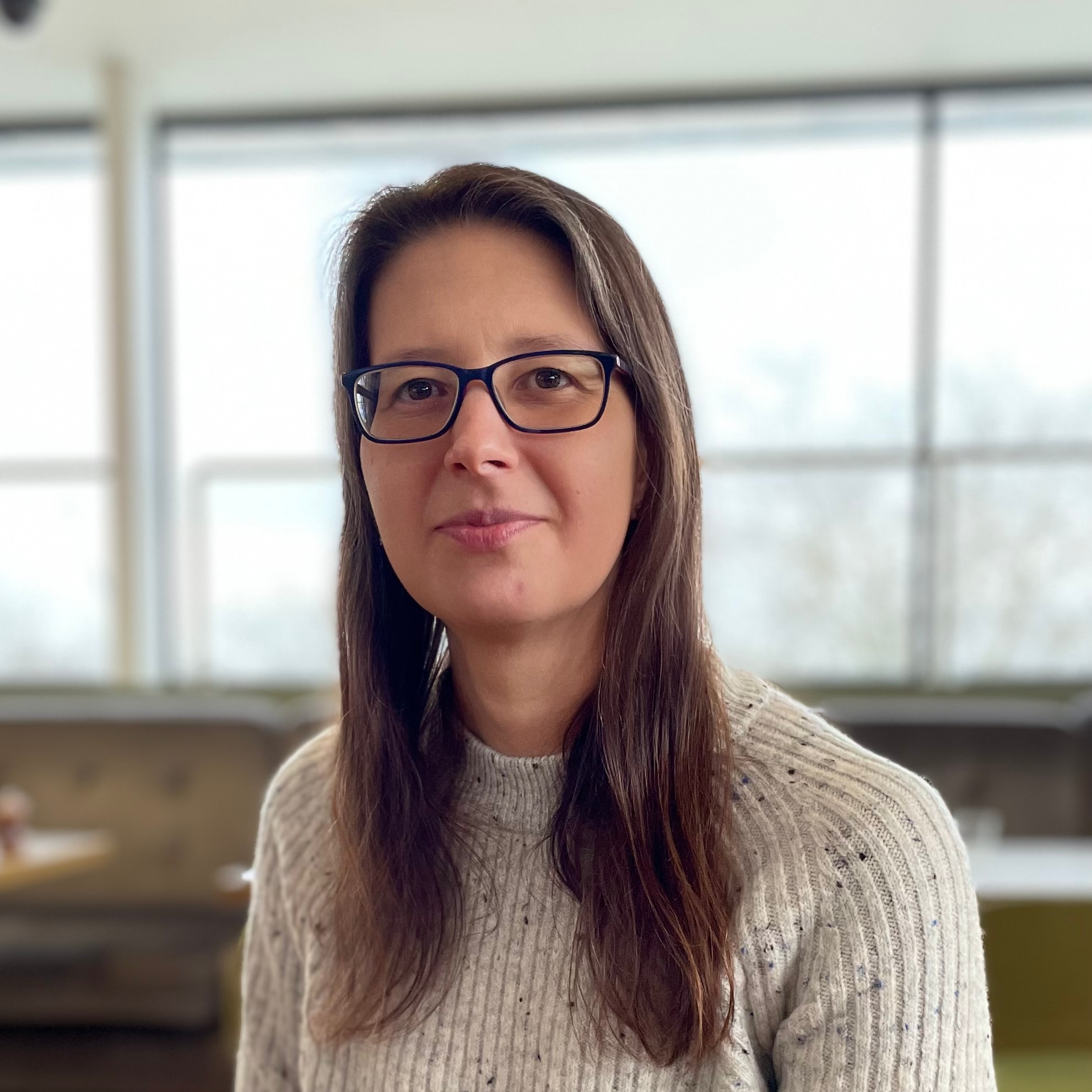
Susie Speller is a Professor of Materials Science at the University of Oxford where she leads the Superconducting Materials research group and co-directs the Oxford Centre for Applied Superconductivity. Over the last 20 years, she has worked on a wide variety of superconducting materials, ranging from superconducting solders for persistent mode joints to high temperature superconducting cuprates and iron-based materials. Her research focuses on correlating processing with microstructure and superconducting properties using advanced microscopy and spectroscopy techniques. She is currently undertaking a 5 year EPSRC Fellowship to study irradiation damage of coated conductors for compact fusion applications. Her group has carried out pioneering in situ experiments to measure the effects of cryogenic irradiation on superconducting properties, as well as investigating the nature of irradiation-induced defects using the combination of atomic-resolution electron microscopy, synchrotron x-ray absorption spectroscopy and density functional theory. She enjoys working closely with industrial collaborators and national laboratories, including Tokamak Energy, United Kingdom Atomic Energy Authority (UKAEA), Oxford Instruments and Siemens Healthineers, on industrially-relevant projects. Susie is currently the Letters Editor for Superconductor Science and Technology and has published a book for the general audience: “A materials science guide to superconductors: and how to make them super”.
31 March: Avi Schroeder
Title: Brain-targeted drug delivery systems and AI-generated synthetic biology medications
Speaker: Prof. Avi Schroeder, Technion - Israel Institute of Technology
Abstract
Nanotechnology holds numerous potential benefits for treating disease, including the ability to transport complex molecular cargoes, including RNA and proteins, as well as targeting specific tissues, including the brain. Brain-targeted nanoparticles enhance the delivery of monoclonal antibodies (mAbs) across the blood-brain-barrier (BBB) and into neurons, thereby allowing the intracellular and extracellular treatment of Parkinson’s disease. 100-nm BTL cross human BBB models intact and are taken up by primary neurons. Within neurons, SynO4 is released from the nanoparticles and bound to its target - alpha-synuclein (AS), thereby reducing AS aggregation, and enhancing neuronal viability. In vivo, intravenous administration results in a seven-fold increase in mAbs in brain cells, decreasing AS aggregation and neuroinflammation and improving behavioral motor function and learning ability in mice. Targeted nanotechnologies offer a valuable platform for drug delivery to treat brain neurodegeneration.
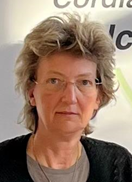
The evolution of drug delivery systems into synthetic cells, programmed nanoparticles with an autonomous syn-bio capacity to synthesize diagnostic and therapeutic proteins inside the body, and their promise for treating disease, will be discussed.
References:
1. Theranostic barcoded nanoparticles for
personalized cancer medicine, Yaari et al. Nature Communications, 2016, 7,
13325
2. Synthetic cells with self-activating optogenetic
proteins communicate with natural cells, Adir et al. Nature Communications,
2022, 13, 2328
3. Brain‐Targeted
Liposomes Loaded with Monoclonal Antibodies Reduce Alpha‐Synuclein Aggregation and Improve
Behavioral Symptoms in Parkinson's Disease, Advanced Materials, 2304654, 2023
Speaker Bio:
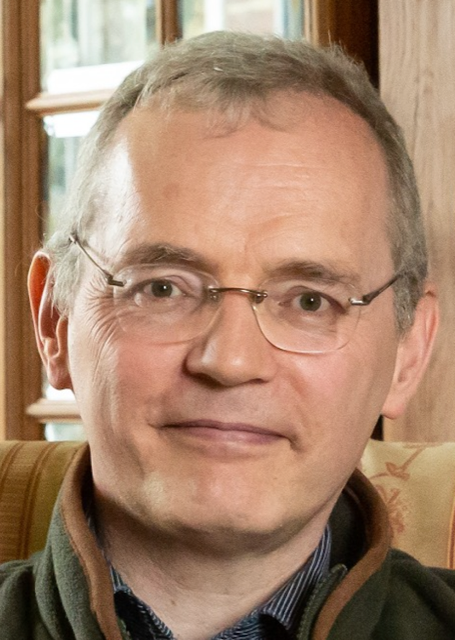
Avi Schroeder is a Professor of Chemical Engineering at the Technion–Israel Institute of Technology, where he heads the Laboratory for Targeted Drug Delivery and Personalized Medicine Technologies (https://www.schroederlab.com/).
Dr. Schroeder conducted his Postdoctoral studies at the Massachusetts Institute of Technology (MIT), and his PhD jointly at the Hebrew and Ben Gurion Universities.
Avi is the recipient of more than 40 national and international recognitions including being named a Fellow of the Royal Society of Chemistry, KAVLI Fellow, awarded the Intel Nanotechnology-, TEVA Pharmaceuticals-, and the Wolf Foundation Krill Awards. Avi is the author of more than 60 papers, the inventor of 19 patents, and co-founder of multiple startup companies based on these discoveries. Schroeder is a former member of the Israel Young National Academy of Sciences, is a current member of Israel’s National Council for Civilian Research and Development, and the President of the Controlled Release Society (CRS).
14 April: Carl Thompson
Title: Morphological Stability of Thin Films and Micro/Nano-Structures
Speaker: Prof. Carl Thompson, MIT
Abstract
Thin films and micro-/nano-structures, such as patterned metal wire-like conductors, are inherently unstable and will undergo morphological evolution driven by surface energy minimization. This results in the break-up of purpose-built structures into islands. This evolution, which occurs while the material remains solid, is referred to as solid-state dewetting (SSD) or agglomeration. Lithographically defined thin film micro-/nano-structures made from both polycrystalline and single crystal films have been used to investigate the detailed mechanisms that promote thermal stability or guide SSD to produce controlled structures. Crystalline anisotropy has been shown to have an especially strong effect on morphological evolution, and a new simulation method that accounts for anisotropy has been developed that successfully reproduces phenomenology observed in experiments.
Speaker Bio:
Professor Thompson is the Stavros Salapatas Professor of Materials Science and Engineering at MIT . He received an S.B. in Materials Science and Engineering from MIT and a Ph.D. in Applied Physics from Harvard University, and joined the MIT faculty in 1983. He was the director of MIT’s Materials Processing Center from 2008 to 2017, and director of MIT’s Materials Research Laboratory from 2017 to 2023. Professor Thompson also served in leadership positions in several of MIT’s international programs and is a Fellow and past‐president of the Materials Research Society. His research interests focus on the processing of thin films and nanostructures for applications in microelectronic, microelectromechanical and microelectrochemical systems. Current activities focus on the reliability of IC interconnects, GaN‐based devices, and heterogeneously integrated microsystems, as well as general kinetic mechanisms that control the evolution of internal defects and morphology of thin films and micro‐/nano‐scale structures.
28 April: Chaoqun Dong
Title: Soft Electronics: Multimaterial Innovations for Wearable and Biomedical Devices
Speaker: Prof. Chaoqun Dong, Columbia University
Abstract
Speaker Bio:
5 May: Anton van der Ven
Title: First-principles statistical mechanics as applied to Li-ion and Na-ion battery materials
Speaker: Prof. Anton van der Ven, UC Santa Barbara
Abstract
Batteries are extraordinary devices when viewed from the vantage point of a materials scientist. They rely on the shuttling of mobile cations such as Li or Na between metallic electrodes that are separated by an electronically insulating electrolyte. This induces large swings in the cation concentration of the electrode materials and often results in a variety of structural and ordering phase transformations. Viable electrode materials tend to have complex crystal structures, which can lead to unique ionic transport mechanisms. Cathode materials are transition metal oxides and often exhibit peculiar electronic and magnetic properties that vary during the course of charging and discharging the battery. Furthermore, large volume and shape changes of the electrode materials during each charge and discharge cycle can cause complex chemo-mechanical phenomena that need to be understood and controlled in order to extend the lifetime of battery materials. Increasingly, modern computational approaches are being used to predict and understand the intriguing electrochemical properties of battery materials. In this talk I will describe first-principles statistical mechanics methods that are able to predict the thermodynamic and kinetic properties of electrode materials for Li-ion and Na-ion batteries. These methods have shed light on the link between the electronic structure of electrode materials and their electrochemical properties and have revealed a rich variety of ionic diffusion mechanisms in the solid state. I will focus in particular on intercalation compounds, commonly used as cathodes, and lithium alloys, which are currently of great interest due to their ability to foster uniform plating and stripping of lithium in all-solid-state batteries.
Speaker Bio:
Anton Van der Ven is Professor in Materials at UC Santa Barbara. His research focuses on the development and application of first-principles statistical mechanics methods for the prediction of the thermodynamic and kinetic properties of metal alloys, ceramics and semiconductor compounds. He joined UC Santa Barbara in 2013 after starting his academic career at the University of Michigan. He received his PhD from the Massachusetts Institute of Technology in 2000 and continued on as a postdoctoral researcher until 2004. Van der Ven is the recipient of the TMS Hume-Rothery award and several teaching awards.
12 May: Emily Cranston
Title: Surface engineering of nanocellulose
Speaker: Prof. Emily Cranston, University of British Columbia
Abstract
By learning from nature and using bio-based building blocks we can engineer sustainable high-performance materials with improved functionality. Nanocelluloses have entered the marketplace as new ingredients for formulated chemical products, composites and engineering processing technologies. Although cellulose is the most abundant natural substance on earth, nanocelluloses are anything but common – they possess exceptionally high mechanical strength and align in electromagnetic fields; they are more chemically, colloidally and thermally stable than most bio-based materials; they exhibit unique optical and self-assembly properties, all while retaining the non-toxicity and biodegradability of cellulose. However, the surface chemistry of nanocellulose must be well understood and controlled in order to optimize the interactions, stability and compatibility with liquids, polymers and small molecules. My research group aims to bridge the gap between industrial nanocellulose producers, R&D, and potential end users by exploring fundamentals. In this talk, I will highlight my group’s contributions in the areas of: benchmarking commercial cellulose nanocrystals (CNCs); nanocellulose-stabilized emulsions and latexes for applications in cosmetics, food, paints, coatings and adhesives; CNC-templated energy storage and production devices; and advanced characterization methods for nanomaterials. Overall, we believe that this improved understanding of CNCs and how to control their assembly is crucial for the commercialization of greener next-generation technologies.
Speaker Bio:
Emily D. Cranston is a Professor in Wood Science and Chemical & Biological Engineering at the University of British Columbia (Canada) and is the President’s Excellence Chair in Forest Bio-Products. Emily’s research focuses on sustainable hybrid materials from cellulose and other biopolymers. Her academic path began at McGill University where she received her BSc in Chemistry and a PhD in Materials Chemistry. The study of value-added products from trees took her to Sweden as a postdoctoral researcher at KTH Royal Institute of Technology before she returned to Canada in 2011. Emily was the recipient of the 2017 KINGFA Young Investigator’s Award from the American Chemical Society’s Cellulose & Renewable Materials division, was the 2018 American Chemical Society – Kavli Foundation Emerging Leader in Chemistry Lecturer and was a Natural Sciences and Engineering Research Council of Canada E.W.R. Steacie Memorial Fellow. Emily has received the Technical Association of the Pulp & Paper Industry (TAPPI) Nanotechnology Division Technical Award and Leadership & Service Award in 2021 and 2023, respectively. In 2023, she was elected to the Royal Society of Canada’s College of New Scholars, Artists and Scientists and was awarded the Royal Society of Canada’s Rutherford Medal in Chemistry.
19 May: Laura Herz
Title: Metal Halide Perovskites for Photovoltaic Applications
Speaker: Prof. Laura Herz, Oxford University
Abstract
Organic-inorganic metal halide perovskites have emerged as attractive materials for solar cells with power-conversion efficiencies now exceeding 26%. This seminar will unravel the fundamental science governing these materials as efficient light-harvesters and charge collectors, examining e.g. fundamental mechanisms underpinning charge-carrier mobility and recombination. Our analysis of intrinsic photophysical parameters opens the promise of targeted material design for solar energy harvesting, based on readily accessible parameters, such as band structure, phonon frequencies and the dielectric function. A range of remaining challenges and opportunities relating to material microstructure, ionic migration and toxicity are further discussed. For example, we have examined how the optoelectronic properties of hybrid perovskites are governed by their nanostructure and structural phases. In the context of silicon-perovskite tandem cells, an important current focus is on discovering the peculiar mechanisms causing detrimental halide segregation in mixed iodide-bromide lead perovskites with desirable electronic band gaps near 1.8eV. Finally, the challenges and rewards of discovering and developing new lead-free perovskites and their structural derivatives are outlined.
Speaker Bio:
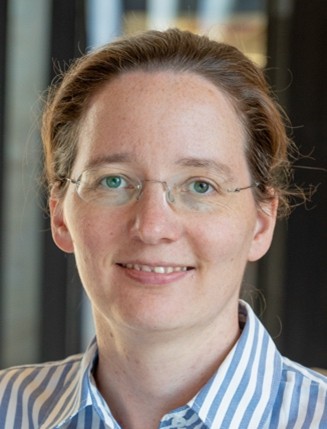
Laura Herz is a Professor of Physics at the University of Oxford and an EPSRC Open Fellow. She received her PhD in Physics from the University of Cambridge in 2002 and was a Research Fellow at St John's College Cambridge from 2001 - 2003. Her current research interests lie in the area of organic, inorganic and hybrid semiconductors, with a strong current focus on advanced materials for solar energy conversion. Her research has been recognized by several awards, including the Michael Faraday Medal by the Institute of Physics, the Environment, Sustainability and Energy Division Award of the Royal Society of Chemistry, the Nevill Mott Medal of the Institute of Physics and the Bessel Award from the Alexander von Humboldt Foundation. She has been listed by Clarivate Analytics as a Highly Cited Researcher since 2018. Laura is a Fellow of the Royal Society, the Royal Society of Chemistry, the Materials Research Society, and the Institute of Physics.
26 May: Bert Meijer
Title: From supramolecular polymers to functional materials and systems
Speaker: Prof. Bert Meijer, Eindhoven University of Technology
Abstract
Ever since the first polymers were discovered, scientists have debated their structures. Before Hermann Staudinger published the brilliant concept of macromolecules, it was generally assumed that the properties of polymers were based on the colloidal aggregation of small particles or molecules. Since 1920, polymers and macromolecules have been synonymous with each other; i.e. materials made by many covalent bonds connecting monomers in 2 or 3 dimensions. Although supramolecular interactions between macromolecular chains are evidently important, e.g. in nylons, it was unheard of proposing polymeric materials based on the interaction of small molecules. Breakthroughs in supramolecular chemistry have shown that polymer materials can be made by small molecules using strong directional secondary interactions; the field of supramolecular polymers emerged. In a sense, we have come full circle [1]. Many of the concepts of macromolecular polymers apply to supramolecular polymers, with only one important difference with fascinating consequences: the dynamic nature of the bonds that form polymer chains. This concept created the field of supramolecular materials, where novel unexpected properties are discovered. By controlling supramolecular interactions between molecular fragments, it became easier to design materials with unconventional responsive behavior and dynamic functionalities. In all cases, control over the position of the molecules in time and space is key to arrive at the required functionality. Different supramolecular approaches and selected external stimuli will be discussed in the lecture, with special emphasis on supramolecular materials with, on the one hand, highly ordered morphologies that will change their properties on the action of light, pressure, temperature, or the addition of chemicals. On the other hand, applications in spin filtering, biomaterials and OLEDs will be discussed.
Speaker Bio: