Advanced additive manufacturing technologies
MICRO-413
Media
Schedule
Thursdays, from 14h00 - 17h00; 2h lectures, 1h TP/exercises
Lectures in MED 2 2423
|
Week |
Date |
Lecturer |
Topics |
In class exercise |
TP |
|
1 |
20.02. |
all |
Intro
to course, TP’s, form groups |
--- |
--- |
|
2 |
27.02. |
J. Brugger |
Drop on demand printing (DOD), aka inkjet printing, drop generation, drop surface interaction |
Exercise 1 (1h) drop formation |
--- |
|
3 |
06.03. |
J. Brugger |
Other material printing techniques, laser induced forward transfer (LIFT), nanoscale methods, transfer printing |
Exercise 2 (1h) drop/substrate interaction |
TP IJP (3h printing session, 2h characterization) |
|
4 |
13.03. |
J. Brugger, B. Tandon |
Other advanced printing techniques, Melt Electro Writing (MEW) |
Exercise 3 (1h) LIFT |
TP IJP (3h printing session, 2h characterization) |
|
5 |
20.03. |
Ye. Pu |
Photo induced radical polymerization - chemical components in DLP resins – role of oxygen – CLIP method - |
--- |
TP IJP (3h printing session, 2h characterization) |
|
6 |
27.03. |
C. Moser |
In-depth VAT 3D printer – resolution vs build volume- |
Exercise 4 (1h) photochemistry |
TP IJP (3h printing session, 2h characterization) |
|
7 |
03.04. |
C. Moser |
Volumetric printing by tomographic back projection. Principle of two photon absorption – peak power required in practice |
Exercise 5 (1h) photochemistry |
TP SLA training 1h per group |
|
8 |
10.04. |
C. Moser |
Two photon polymerization and applications |
Exercise 6 (1h) volumetric printing |
TP SLA last group training 1h per group/ First group printing session |
|
9 |
17.04. |
C. Moser |
Two photon polymerization and applications |
Exercise 7 (1h) volumetric printing |
TP SLA printing session |
|
10 |
24.04. |
--- |
Easter break |
--- |
--- |
|
11 |
01.05. |
Paul Dalton, University of Oregon |
Melt electrowriting polymer scaffolds for regenerative medicine |
--- |
TP SLA printing session and imaging session 1.5h per group |
|
12 |
08.05. |
Gari Arutinov, Holst Center |
Enabling solutions for mass-transfer of microLEDs: bird's eye view |
--- |
TP SLA printing session and imaging session 1.5h per group |
|
13 |
15.05. |
Marek Oszajca, Scrona AG |
Electrohydrodynamic Printing and Blue Ocean. What do they have in common? |
--- |
--- |
|
14 |
22.05. |
Patrizia Richner Sonova. |
AM in hearing aid applications |
--- |
--- |
|
15 |
29.05. |
--- |
Ascension |
--- |
--- |
Teacher: J. Brugger
Lecture by Prof. J. Brugger (2h); Exercises in class with TA's (1h)
Lecture by Prof. J. Brugger (2h); Exercises in class with TA's (1h)
Lecture by Prof. J. Brugger (1h) and Dr Tandon (1h); Exercises in class with TA's (1h)
Lecture C. Moser (2h) + design contest and TP explanation (1h)
History of the first 3D printer (stereolithography). Deep dive into how a DLP printer works. Light Engine. Resolution. How to design
a microlithography DLP system.
- video week 5 class (URL)
- week 5 slides blank (File)
- slides week 5 annotated (File)
- TP Calendar 2025 (File)
Lecture by Prof. Ch. Moser (2h)
Photochemistry: Radical chain polymerization, photo-initiators type I and II. Fleury criterion for the polymer hardening. Concept of CLIP: Continuous Liquid Interface.
Lecture by Prof. Ch. Moser (2h)
Introduction to a new printing technique which is not layer by layer: Volumetric 3D Printing by Tomographic Projections:
Examples of application
- slides week 7 blank (File)
- video lecture week 7 Volumetric printing (URL)
- link to powerpoint with movies (URL)
- annotated slides week 7 (File)
Lecture by Prof. Ch. Moser (2h)
2 photon printing: high resolution
Lecture by Christophe Moser (2h)
A pplications in high resolution printing with 2 photon polymerization
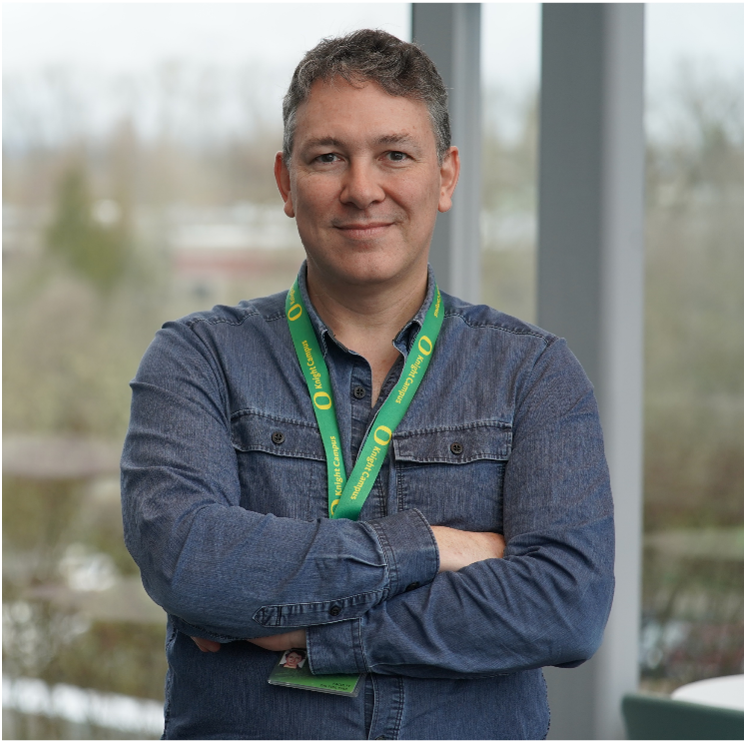
Title: Melt electrowriting polymer scaffolds for regenerative medicine
About the speaker:Associate Professor Paul Dalton leads a research group at the Knight Campus of the University of Oregon. He has spent his academic career specializing in developing new manufacturing technologies for biomedical applications. An early adopter of melt electrospinning and pioneer of melt electrowriting, his research targets advanced biomaterials that can perform new functions. The team at the Knight Campus transforms known biomedical polymers into microscale designs that allows new functionality and properties. Originally from Perth, Australia, he was part of a bioengineering team in the 1990s that successfully took an artificial cornea from concept to the clinic. His academic career has an international perspective, having lived/worked in Canada, United Kingdom, China, Germany and now the US. He has over 25 years’ experience across several disciplines including biomaterials, nanotechnology tissue engineering, neuroimmunology biofabrication, and additive manufacturing.
zoom: in case you can not make it in person: https://epfl.zoom.us/my/juergenbrugger
link to recorded lecture (available for 90 days from 1st May 2025)
Dr. Marek Oszajca
Scrona AG Zurich Switzerland
recorded video
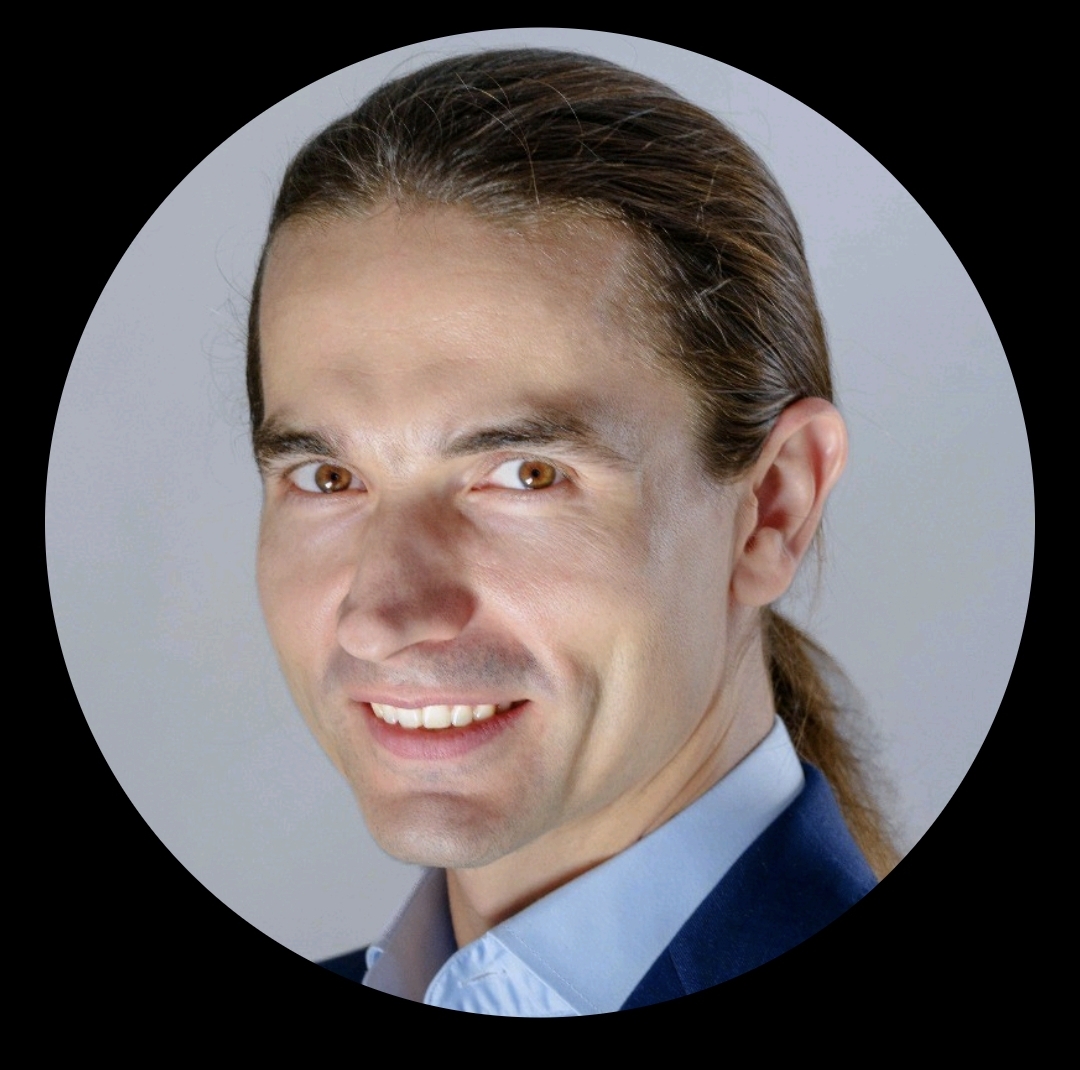
Title: Electrohydrodynamic Printing and Blue Ocean. What do they have in common?
Abstract:
- Electrohydrodynamic (EHD) printing offers unparalleled precision and scalability in microelectronics, surpassing traditional ink-jet printing. EHD printing enables sub-micrometer resolution, crucial for advanced semiconductor packaging and high-density electronic circuits. This technology opens a "Blue Ocean" of opportunities by creating new market spaces with minimal competition, driving innovation in display manufacturing and consumer electronics. The synergy between EHD printing and Blue Ocean strategy lies in their shared goal of pioneering unique, high-value applications that redefine industry standards.
Bio:
Dr. Marek Oszajca 2025 till today: Head of the Application lab at Scrona AG, leading a team of engineers serving customers in their demanding microdispensing applications2015-2024: Project Manager at Avantama AG, leading a team of scientists conducting research allowing the commercialization of perovskite nanocrystals into the display industry (LCD, OLED, microLED).Obtained his PhD in Chemistry in 2013 after postgraduate studies at Jagiellonian University (Cracow, Poland) and University of Bologna (Italy) where he worked on quantum dots and their application as logic gates. Postdoctoral experience gathered at ETH Zürich and EMPA Dübendorf (Switzerland) in 2013-2015 with work on novel Li-ion battery cathodes.
Patrizia Richner
Sonova AG
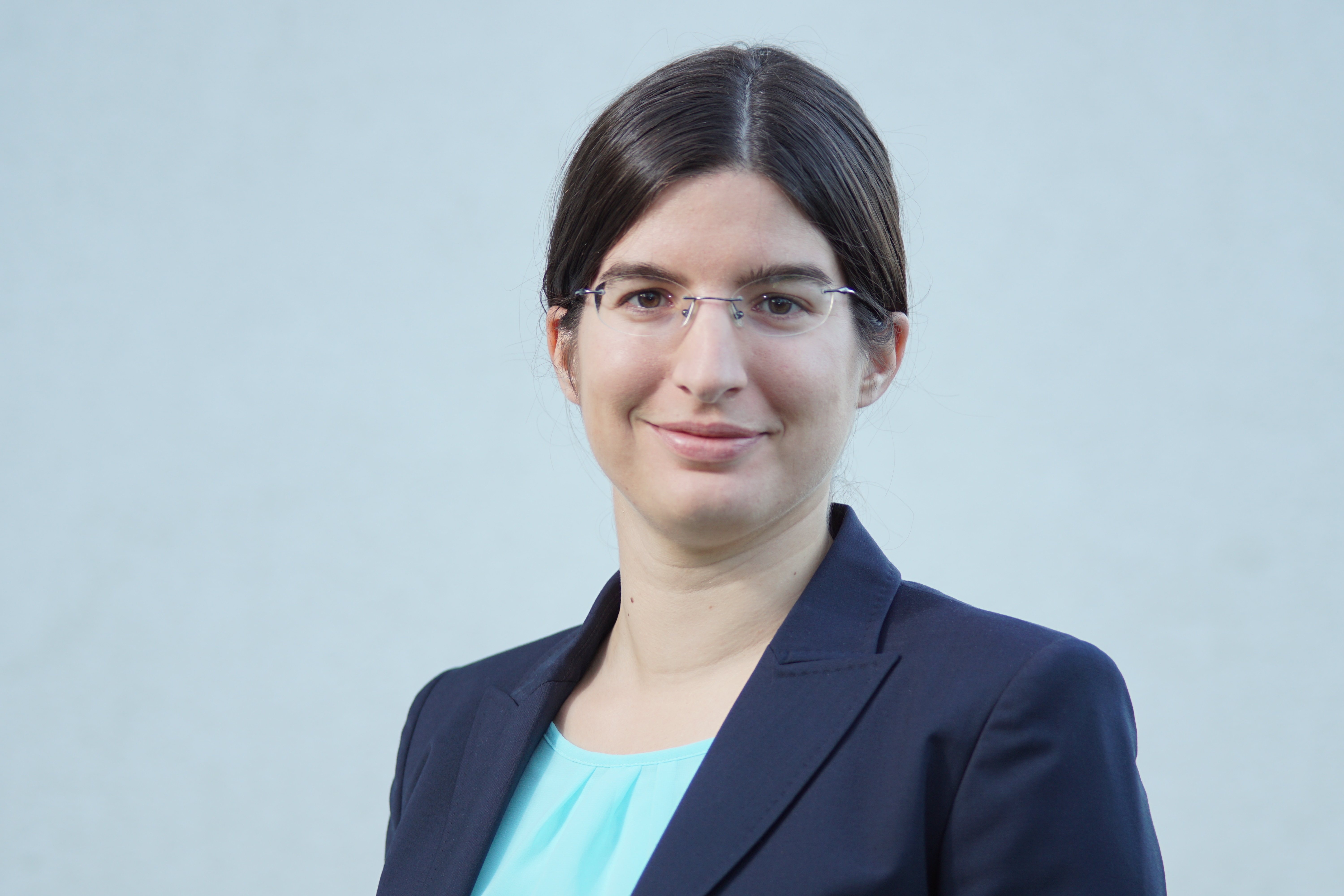
Topic: Additive Manufacturing and Mass Customization in the Hearing Aid Industry
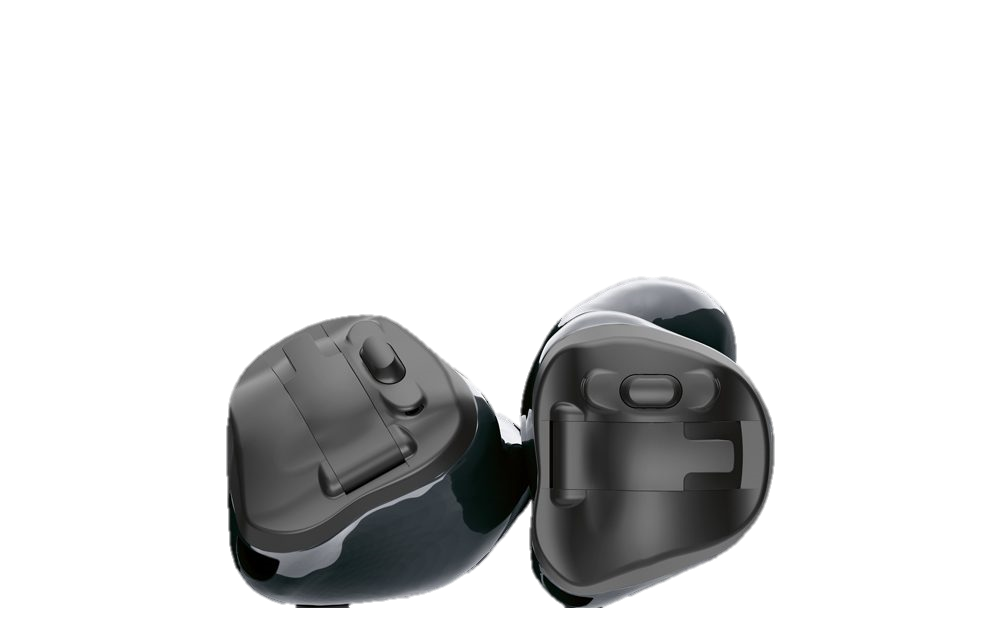
Abstract: Additive Manufacturing or 3D printing has been a hot topic with many new developments the last 20-30 years and still is. Even though its many advantages like low material usage, sustainability and great variety of producible shapes, injection molding is often still the preferred manufacturing method due to considerably lower prices per unit for large batch sizes. Additive manufacturing is often seen as prototyping method. I want to share why this is not the case in parts of the hearing aid industry, show you how such parts are produced and why additive manufacturing is the method of choice here.
About the speaker:
Patrizia Richner got her Master’s degree in mechanical engineering at ETH Zurich and the University of California at Berkeley. Her PhD thesis at ETH Zurich focused on 3D printing at the nanometer scale.
For the last 8 years she’s been working for the world’s largest hearing instrument manufacturer Sonova AG, where she’s developing the newest generation of 3D printed hearing aids, using materials ranging from soft silicones to medical grade titanium alloys.
Lecture material for Juergen Brugger/Biranche Tandon
- Slides Part 1: Drop on demand inkjet printing (File)
- Slides Part 2: IJP (reactive, EHDP, LIFT, ...) (File)
- Slides Part 3: IJP on hot and cold surfaces (File)
- Slides Part 4: LIFT additional slides (File)
- Slides: Melt electrowriting lecture (B. Tandon) (File)
- Recorded lecture IJP drop surface interaction JBrugger (2021 edition) (URL)
Lecture material for Chris Moser/Ye Pu
Papers on IJP and MEW
- Paper: Melt Electrowriting (MEW) polymers (File)
- Paper: Melt Electrowriting (MEW) process (File)
- Paper 1: Derby et al Review paper on DOD IJP (File)
- Paper 2: 20 years of drying drops (File)
- Paper 3: Ring stain of of drying drops (File)
- Paper 4: D. Lohse, Fundamental Fluid Dynamics Challenges in Inkjet Printing (File)
- Paper 5: by Sir G. Taylor (File)
- Paper 6: EHD printing (File)
- Magnetic droplet (File)
Papers on Light based manufacturing (2PP SLA, DLP)
DLP printing
Photochemistry: photopolymerization model for acrylates
Photoinitiators - Radical Chain Photopolymerization
Photopolymerization - modeling - Matlab Code
- CLIP Science paper (File)
- CLIP Science suppl. material (File)
- acrylate kinetics (File)
- PolymerConversion (File)
- volumetric printing (File)
- Kawata_2PP_seminal_1997 (File)
- Kelly Science paper (File)
- Delrot Loterie Volumetric printing high res Nat comm 2020 (File)
- Radon transform and backprojections (File)
- original work on 2 photon 3D printing (1997) (File)
- 2 photon printing micro glass components (File)
- photonic wire bonding (File)
- objective lens on fiber endoscope (File)
- Mechanical cloak (File)
Info for the TPs
Info for the Exercises
- After each lecture, there is one hour exe... (Text and media area)
- IJP Exercise 1 solution (File)
- IJP Exercise 2 solution (File)
- IJP Exercise 3 - Solution (File)
Info for the Exams
Eric Boillat's AM lectures
- E. Boillat: Review of basic AM processes (File)
- Video Intro AM: 1 Intro (2021 Edition) (URL)
- Video Intro AM: 2 SLA (2021 Edition) (URL)
- Video Intro AM: 3 Polyjet (2021 Edition) (URL)
- Video Intro AM: 4 Extrusion (2021 Edition) (URL)
- Video Intro AM: 5 Powder (2021 Edition) (URL)
Previous Seminars
Seminar by Sebastian Lani, CSEM Neuchatel
Title: "Additive Manufacturing: Macro scale and integrated functionalities"