Seminar series on advances in materials (autumn)
MSE-470(a)
Media
(1) If you are an EDMX graduate student, you require at least ten attendance signatures for your candidacy requirement. To get these signatures you must attend at least 10 seminars, either in person (preferred) or virtually (if you are based at a satellite campus, EMPA or PSI).
Attendance sheets are available from the EDMX administration.
- For in person attendance, bring your sheet with you and get it signed at the end of each seminar OUTSIDE the seminar room MXF 1 by the course TA, Kewei Zhou (kewei.zhou@epfl.ch).
- If you attend online, sign in to zoom with your full name, so that the TA can verify your attendance throughout the entire seminar. When you require the signatures, it is your responsibility to email the TA your scanned attendance sheet, which they will verify against the zoom attendance list and sign accordingly.
(2) To receive the credits for the course, you must make sure to be registered on IS Academia but you do not need attendance signatures. The exam will be scheduled during exam session and is based on the papers provided and the presentations by the different speakers. The papers will be provided on the speaker's Moodle entry. We will divide the speakers into two groups. Ahead of the exam, each student will be asked to select the group on which they will be examined. To prepare for the exam, students should familiarize themselves with the articles provided by the speakers in their selected exam group, focusing on fundamental concepts and major results. Stay tuned for the exam announcement.
(3) Moodle is the primary mode of contact for this course. Please check in regularly.
(4) The Zoom link for this course is:
https://epfl.zoom.us/j/68060787575
(5) The program will become available this link (look out for the "IMX Colloquium" titles) and here (note that the colloquium does not take place every single week, especially not during the first week):
Sep 15 John Kolinski EPFL
Sep 29 Jörg Löffler ETH Zurich
Oct 06 Burak Temelkuran Imperial College
Oct 13 Ingrid Graz Linz U
Nov 03 Xiaoting Jia Virginia Tech
Nov 10 Hagen Klauk Max Planck SSR Stuttgart
Nov 17 Tapajyoti Das Gupta IISC Bangalore
Nov 24 James Kermode U Warwick
Dec 01 David Armstrong U Oxford
Dec 08 Hyun Suk Wang ETH Zurich
Dec 15 Frank Koppens ICFO Barcelona
8 September: No seminar
15 September: John Kolinski
Title: Defects in cracks and contact: enhancing toughness and suppressing wetting
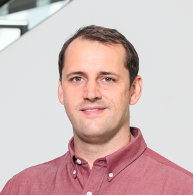
Speaker: John Kolinski, EPFL
Abstract:
Cracks can destroy structures. Contacts drive countless industrial processes. Though these seem very different, the underlying mechanics are surprisingly similar: stress builds up and diverges at a single moving point — the tip of a crack or the edge of a forming contact — driven by external forces. These regions are notoriously hard to study because they’re obscured within the surrounding material. Using high-speed 3D imaging, we capture these dynamics in real time. Our work reveals that tiny defects and random noise strongly influence both crack growth and contact formation. Two case studies highlight this: how geometry affects toughness in brittle hydrogels, and how defects shape the formation of contacts. Despite their differences, both systems show universal behaviors that emerge from these local, nonlinear dynamics. We’ll conclude with a demonstration of how these insights can be applied — from boosting material toughness to precisely manipulating liquid droplets.
Speaker Bio:
Kolinski heads the Engineering Mechanics of Soft Interfaces laboratory in the Institute of Mechanical Engineering in STI at EPFL, where he currently mentors five PhD students. The group’s research activities span the domain of continuum mechanics, with research into liquid-solid wetting, mechanics of viscoelastic solids and fracture of hydrogels. With colleagues, Kolinski organized two international workshops in 2023 and 2024 on fracture mechanics, at CECAM in Lausanne and at PCTS in Princeton. The impact of the group’s research can be perceived from publications in leading journals, international, interdisciplinary collaborations with leading scholars, several grants from Innosuisse and SNSF, invited lectures and awards to the group’s students on the international stage. Prior to starting his group at EPFL in 2017, Kolinski was a Fulbright fellow at the Hebrew University of Jerusalem in the Physics department, where he worked on dynamic fracture in hydrogels. Kolinski defended his PhD thesis on the role of air in droplet impact on a smooth solid surface at Harvard in 2013, with support from the NSF GRFP and NDSEG fellowships.
22 September: No seminar
29 September: Jörg Löffler
Title: Ultrahigh-purified
lean magnesium alloys for bioresorbable implant applications
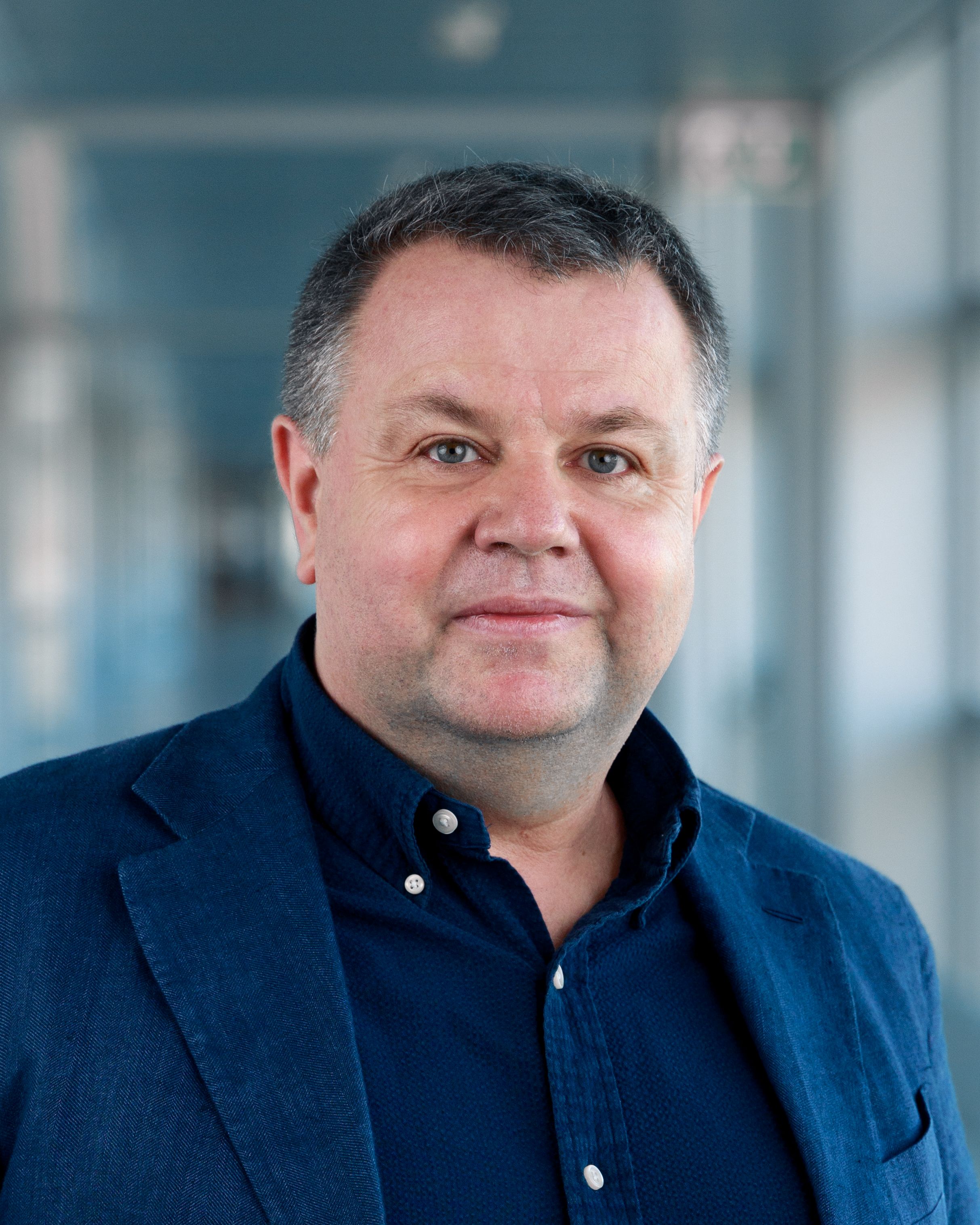
Speaker: Jörg Löffler, ETH Zürich
Abstract:
Temporary medical implants that can be resorbed after fracture healing are beneficial for patients and necessary in certain clinical applications. Magnesium-based implants are among the most frequently studied due to their unique properties. However, they often comprise significant amounts of alloying elements to improve their mechanical properties. One well-known example is WE43, which contains large amounts of rare-earth elements (about 4 wt.% Y and 3 wt.% Nd). In contrast, we developed in recent years rare-earth free, lean Mg alloys with alloying contents below 1 at.%, also in ultrahigh-purified (XHP) versions with less than 5 ppm impurity content [1]. This development generated alloys such as ZX10 (MgZn1.0Ca0.3, in wt.% = MgZn0.37Ca0.18, in at.%) [2] and ZX00 (Mg0.45Zn0.45Ca) [3], and other more recent lean Mg–Ca alloys (XHP X0) with alloying contents of less than 0.2 at.% [4]. Via optimized hot-extrusion processing we are now able to tune their microstructure and related properties, generating high-strength alloys with a yield strength of >400 MPa at extended ductility (strong-X0), or >35% ductile alloys at intermediate strength (ductile-X0).
In this way we produced plate-screw implants for large-animal tests, where the plates were made of XHP ductile-X0 for adjustments to the bone shape and the screws were produced from XHP strong-X0. The X0 implants were inserted onto the pelvic bones of six adult female Swiss alpine sheep and compared with WE43 [5]. mCT and histological studies revealed an optimal average degradation rate of 0.3 – 0.4 mm/year for both medical alloys. The bone-implant contact, however, was found to be significantly higher for X0 than for WE43, revealing a much better osseointegration for the X0 implants. An analysis of the degradation products after explantation revealed further that rare-earth containing submicron particles remained embedded within the corrosion products of WE43, while X0 underwent complete biodegradation. This shows that XHP lean Mg–Ca alloys present a new class of absorbable bone implants, combining slow degradation, enhanced biocompatibility, and strong mechanical properties. In fact, implants based on ZX00 and X0 received already FDA approval (Bioretec) or an FDA “Breakthrough Device Designation” (ETH Spinoff, Kairos Medical). This research may also generate a paradigm shift towards lean high-strength, highly ductile (L-HS-HD) alloys, where chemically simple materials can contribute to sustainable and more efficient materials recycling [6].
[1] C. Wegmann et al., “Simultaneous distillation and alloying”, WO 2021/165139 A1.
[2] M. Cihova et al., ‘Biocorrosion zoomed in: evidence for dealloying of intermetallic nanoparticles in Mg alloys’, Adv. Mater. 31, 1903080 (2019). doi.org/10.1002/adma.201903080
[3] T. Akhmetshina et al., ‘Quantitative imaging of magnesium biodegradation by 3D X-ray ptychography and electron microscopy’, Adv. Funct. Mater. 34, 2408869 (2024). doi.org/10.1002/adfm.202408869
[4] T. Akhmetshina et al., ‘High-performance ultra-lean biodegradable Mg–Ca alloys and guidelines for their processing’, Acta Mater. 278, 120247 (2024). doi.org/10.1016/j.actamat.2024.120247
[5] L. Berger et al., ‘In vivo performance of lean bioabsorbable Mg–Ca alloy X0 and comparison to WE43’, Bioact. Mater. 44 (2025) 501 – 515. doi.org/10.1016/j.bioactmat.2024.09.036
[6] J. Plummer, ‘Chemically-simple magnesium alloys for biomedical applications’, Commun. Mater. 5, 175 (2024). doi.org/10.1038/s43246-024-00613-1
Speaker Bio:
Jörg F. Löffler has been Professor at the Department of Materials, ETH Zurich, since July 2003. Starting as Assistant Professor, in 2007 he was elected Full Professor of Metal Physics and Technology. He currently serves as Chairman of the Department of Materials (2025 – 2027), resuming office after a first term in 2010 – 2013.
Born in Germany in 1969, Jörg Löffler studied Physics and Materials Science at Saarland University. He then transferred to the Paul Scherrer Institute and ETH Zurich, where he earned his doctorate in the magnetism of nanostructured materials and neutron scattering (1997). Löffler then took up a post at the California Institute of Technology as an Alexander von Humboldt Fellow, where he worked with Prof. William L. Johnson in the area of bulk metallic glasses. In 2001 he was appointed tenure-track Assistant Professor at the University of California, Davis, where he stayed until his appointment to ETH Zurich in 2003.
The principal areas of Jörg Löffler’s research are the synthesis and characterization of novel nanostructured and amorphous materials; magnetic, structural, and thermophysical properties on the nanoscale; the use of metals for medical applications (in particular bioresorbable implants); and neutron scattering and synchrotron radiation.
6 October: Burak Temelkuran
Title: Advancing Surgery with Multimaterial Fibres: How to Cut, Where to Cut — and Who’s Doing the Cutting, by the Way?
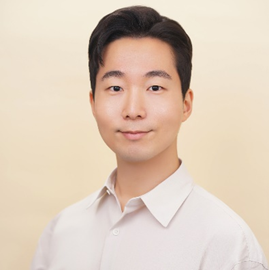
Speaker: Burak Temelkuran, Imperial College London
Abstract:
At the beginning of the new millennium, a polymer sheet coated with a chalcogenide glass, rolled around a sacrificial mandrel and drawn into a fibre, presented a number of novelties: A new way of guiding light, a waveguide not limited by its materials’ optical properties and hence having the ability to transmit light at any chosen wavelength, nanometre scale control of features and geometries at kilometre length scales, and last but not least, first steps of the field of multimaterial fibres that changed the way we think about fibres. The resulting fibre found its immediate application in the medical field and served about half a million patients up to date in various surgical specialities as a precise optical scalpel, enabling high-precision removal of cancer.
With the enriched choice of materials and the development of manufacturing technologies, we have focused on exploring further the potential contribution of multimaterial fibres to medicine. Together with clinicians, scientists, and engineers, we are investigating the therapeutic, diagnostic, and robotic applications of these materials to enhance our understanding and treatment of cancer, utilising the potential of integrating and miniaturising various functions on a single fibre.
Speaker Bio:
Dr Temelkuran received his MS (1996) and PhD (2000) degrees from the Department of Physics at Bilkent University, Turkey. As a postdoctoral researcher at MIT (2000-2002), Dr Temelkuran has contributed to the discovery of the 1D omnidirectional reflecting fibre. His research led to a number of foundational publications that pioneered the field of multi-material fibres. He led the technology transfer process of this fibre to a start-up company, and he was actively present at every step of the translation of his invention from the laboratory to operating theatres. His invention has been used in over 500,000 laser surgeries to date, mostly helping cancer patients.
Dr Temelkuran joined the Hamlyn Centre in 2016 and has been a lecturer in the Department of Metabolism, Digestion and Reproduction since 2021. Dr Temelkuran’s team focuses on the medical application of multi-material fibres: Functional fibres for minimally invasive interventions, fibre robots, fibre sensors, laser delivery mechanisms, laser-tissue interactions of surgical lasers, and their therapeutic and diagnostic applications. His research targets unmet needs in medicine, with his expertise in the field of multi-material fibres and his 15 years of experience in the medical industry bridging engineering and medical sciences.13 October: Ingrid Graz
Title: Smart by Nature: Bio-Inspired sensors and actuators
Speaker: Ingrid Graz, Johannes Kepler University Linz
Abstract:
Nature is the ultimate engineer. From squid beaks to citrus peels, living systems have evolved materials and structures perfectly adapted to their environment and requirements—lightweight yet tough, soft yet strong, protective yet flexible. Inspired by these designs, our research explores how we can translate nature’s strategies into soft, functional materials for stretchable electronics and soft robotics.
Inspired by the squid beak, we developed polyimide-polydimethylsiloxane (PI-PDMS) composites, that enables a single material with a seamless transition from hard to soft. These gradient materials offer great potential for stretchable electronics with built-in strain relief and anisotropic dielectric elastomer actuators. Complementary work on dynamic covalent silicone networks and super-soft inorganic elastomers enables even more precise control of stiffness and mechanical performance, providing versatile platforms for next-generation ultra-conformable soft devices. Foundational studies using a simple ball drop test provide an easy and cheap means for quantitative extraction of mechanical properties of soft materials such as dissipated energy, storage and loss modulus and Young’s modulus.
Taking cues from the damping properties of citrus peels, we created open-cell soft elastomer foams filled with carbon black. These are capable of absorbing impacts, sensing collisions, and, in combination with a pneumatic radial compression actuator, enable tailored energy dissipation. Further, we developed soft actuator concepts based on plant motions. A high-speed soft actuator with a response time of 4ms using mechanical instabilities triggered by temperature was inspired by the closing mechanism of the venus flytrap. The mimosa plant and its water-driven movements motivated phase transition actuators that enable untethered soft actuators for grippers, hinges and pumps. They can also easily be implemented in wearables.
By learning from nature, we can design soft machines that are smarter, more resilient, and more adaptable—capable of sensing, moving, and interacting with the world in ways previously only found in living organisms.
Speaker Bio:
Ingrid Graz received her PhD in Physics from Johannes Kepler University Linz, Austria, where she focused on flexible ferroelectret pressure sensors for thin-film transistors. After a postdoctoral stay in Jena, Germany, she worked for three years on stretchable electronics in collaboration with Nokia at the Nanoscience Center, Department of Engineering, University of Cambridge. She then returned to Johannes Kepler University Linz, where she completed her habilitation on skin-inspired electronics and soft robotic and became an Associate Professor in Soft Matter Physics. From 2020 to 2024, she served as Head of the Christian Doppler Laboratory for Soft Structures for Vibration Damping and Impact Protection and currently leads a research group focused on Bioinspired soft Systems, affiliated with both the School of Education and the Institute for Biophysics. Recently she was elected Vice-Head of the BioMediCry Core Facility at Johannes Kepler University and serves as President of the EuroEAP Society.
20 October: No seminar
27 October: CANCELLED
Title: Translating Breakthroughs: From Scientific Discovery to Human Impact
Speaker: Cody Friesen, Arizona State University
3 November: Xiaoting Jia
Title: Multimaterial Multifunctional Fibers for Biomedical Applications
Speaker: Xiaoting Jia, Virginia Tech
Abstract:
Advanced human-machine interfaces have seen rapid growth in the past decades. Although the semiconductor industry has enabled electronic and optical devices with unprecedented sensing and modulation capabilities, the conventional devices based on rigid materials are not compatible with soft tissues. Therefore, flexible, biocompatible, and multi-functional devices and systems are highly demanded. My research focuses on addressing the key interface challenges between humans and the physical world using a multimaterial multifunctional fiber platform. Fabricated using a scalable thermal drawing method, these fibers are miniaturized, highly flexible, multifunctional, and biocompatible, making them ideal candidates for biomedical implant applications. In this talk, I will discuss the material considerations and applications of these fibers in neural interfacing, tumor research, and cardiovascular system. For example, we have overcome several material challenges in fiber-based neural interfaces, and enabled electrical, optical, microfluidic, photoacoustic, and chemical interrogation with neural circuits in vivo. We have also developed a 3D multifunctional interface for large volume deep brain stimulation and recording in mice. In addition, robotic fibers have been developed which can navigate through blood vessels for intracardiac EGM, pacing, and bioimpedance sensing.Speaker Bio:
Xiaoting Jia is currently a professor in the ECE department at Virginia Tech, with affiliated positions in the School of Neuroscience and Materials Science and Engineering department at Virginia Tech. Before joining Virginia Tech, she was a postdoctoral associate in the Research Laboratory of Electronics at MIT. She received her Ph.D. in Materials Science and Engineering from MIT (2011), M.S. in Materials Science and Engineering from Stony Brook University (2006), and B.S. in Materials Science from Fudan University in China (2004). She has published over 50 peer reviewed journal articles, including papers published in Science, Nature Biotechnology, Nature Neuroscience, and Nature Communications, with a total citation of over 18,000. She was a recipient of NSF CAREER award (2019), Faculty Fellow Award at Virginia Tech, COE Research Excellence Award at Virginia Tech, 3M Non-Tenured Faculty Award, ICTAS Junior Faculty Award at Virginia Tech, and the Translational Fellow at MIT.
10 November: Hagen Klauk
Title: Flexible Nanoscale Organic Thin-Film Transistors
Speaker: Hagen Klauk, Max Planck Institute SSR Stuttgart
Abstract:
Organic thin-film transistors (TFTs) can often be fabricated at temperatures around or below 100 degrees Celsius and thus on a wide range of unconventional substrates, including flexible and transparent polymers, such as polyethylene naphthalate (PEN). This makes organic TFTs a potential alternative to TFTs based on inorganic semiconductors, such as low-temperature polycrystalline silicon (LTPS), which typically require higher process temperatures that limit the choice of flexible substrate materials to ultrathin glass and polyimide. For circuit and display applications, an important TFT parameter is the transit frequency, which is the highest frequency at which the transistors are able to switch or amplify electrical signals. A field-effect transistor’s transit frequency depends critically on the channel length and the parasitic gate-to-source and gate-to-drain overlaps. Most of the highest transit frequencies reported for organic TFTs to date have been achieved with channel lengths and gate-to-contact overlaps of around 1 µm. To explore the static and dynamic performance of flexible organic TFTs with nanoscale dimensions, we have used electron-beam lithography and fabricated low-voltage organic TFTs with channel lengths and gate-to-contact overlaps as small as 100 nm on flexible PEN substrates. These TFTs display useful static and dynamic characteristics, including on/off current ratios of 10 orders of magnitude, subthreshold swings below 100 mV/decade, turn-on voltages of 0 V, negligible threshold-voltage roll-off, contact resistances below 500 Ohm-cm, and switching delays below 50 ns.
Speaker Bio:
Hagen Klauk received the Ph.D. degree in electrical engineering from the Pennsylvania State University in 1999. From 1999 to 2000, he was a Postdoctoral Researcher at Penn State. In 2000, he joined Infineon Technologies, Erlangen, Germany. Since 2005, he has been head of the Organic Electronics group at the Max Planck Institute for Solid State Research, Stuttgart, Germany. His research focuses on organic thin-film transistors.
17 November: Tapajyoti Das Gupta
Title: From Nanoscale Interfaces to Macroscale Devices: Soft Photonics for Large Areas
Speaker: Tapajyoti Das Gupta, Indian Institute of Science, Bangalore
Abstract:
Modern devices require the tuning of the size, shape and spatial arrangement of nano- objects and their assemblies with nanometre scale precision, over large-area and sometimes soft substrates. Such stringent multi-scale and mechanical requirements are beyond the reach of conventional lithography techniques or simpler self-assembly approaches.
In this talk, at first, we will demonstrate an unprecedented control over the fluid instabilities of thin optical-glass and polymer films as a simple approach for the self-assembly of advanced all-dielectric metasurfaces. We show and model the tailoring of the position, shape, size and inter-particle distance of nano-objects with feature sizes below ten nanometres. This simple and versatile approach can generate optical nanostructures over tens-of-centimetres sized rigid and soft substrates, with better optical performance and a resolution on par with advanced lithography-based processes. By having unprecedented control over the lattice and particle size via a simple nanoimprinting process, we demonstrate sharp Fano resonances with the highest Quality factor of ~300 visible to date. We also observe high-purity structural colors covering an extended gamut of spectra.
In the second part, we will show a recent result from our lab, whereby by tuning the thermal coeeficient of expansion of the substrate and the thin film we obtain large area periodic structures whose optical properties can be tuned dynamically. As a proof of concept we show simple mechnaochromic devices as well as camouflage effect with such materials.
In the third part of the talk I will discuss how by exploiting fluidic interaction of liquid metals and uncured oligomer in soft substrates, we obtained structural colors with Gallium based liquid metal nanospheres, paving the way toward a novel paradigm in soft photonics and large area reflective displays. By tuning and optimizing a range of experimental parameters, and the choice of substrate material we obtain vibrant coloration encompassing a wide range of chromaticity coordinates due to the varying size distribution of controlled Ga nanodroplets.
As a proof-of-principle, we show pallets of structural colors of the films derived from this process. Reflective display technology can benefit greatly by leveraging the advantages of structural colors over its pigmented counterparts. The application of the thus-fabricated device exhibits mechanochromic sensing, which has been characterized to be of high fidelity and reliability, functionalized by exploiting the fluidic properties of Gallium. For at least 1000 cycles of uniaxial stretching and relaxing with a periodicity of 50 seconds, the reflectivity spectrum of the sample for a given strain was unchanged, thus proving the reliable reconfiguration of sample response to the application and removal of mechanical strain. The reversible change in the reflectivity spectrum results in the chromaticity coordinates of the sample, hence a visible change in the sample color. Our results can offer opportunities to dynamically reconfigure thin-film-based functional nanodevices in situ and process technology for high throughput fabrication to achieve the same in a single-step method.
Ref:
1. Das Gupta, T., Martin-Monier, L., Yan, W. et al. Self-assembly of nanostructured glass metasurfaces via templated fluid instabilities. Nat. Nanotechnol. 14, 320–327 (2019). https://doi.org/10.1038/s41565-019-0362-9
2. Sahu, R.R., Ramasamy, A.S., Bhonsle, S. et al. Single-step fabrication of liquid gallium nanoparticles via capillary interaction for dynamic structural colours. Nat. Nanotechnol. 19, 766–774 (2024). https://doi.org/10.1038/s41565-024-01625-1
3. Das Gupta, T., Martin-Monier, L., Butet, J. et al. Second harmonic generation in glass-based metasurfaces using tailored surface lattice resonances. Nanophotonics. 10 (2021). https://doi/10.1515/nanoph-2021-0277
4. Biswas, S., Sahu, R.R., Shinkre, O.D.N. et al. Tailored Thin Films: Modulating Soft Photonics with Dynamically Tunable Large Area Microstructures via Controlled Thermal Processing. Arxiv. (2025). https://doi.org/10.48550/arXiv.2501.05736
5. Sahu, R.R., Das Gupta, T. Real-time tuneable bright bonding plasmonic modes in Ga nanostructures. Arxiv (2025). https://doi.org/10.48550/arXiv.2504.04922
Speaker Bio:
Tapajyoti Das Gupta obtained his BSc and Btech in Physics and Radio physics respectively from University of Calcutta in 2006 and 2009. He then moved to France where he obtained his MSc in nanoscience from École Polytechnique (l’X) in 2012 and PhD in Condensed Matter Physics lab (PMC) from the same institute in 2015 under Prof. Thierry GACOIN and Alistair ROWE. He then joined prof. Fabien Sorin’s lab of Fiber Optics and Photonics Devices (FIMAP) in École Polytechnique Fédérale de Lausanne (EPFL) during 2015 December-2019 November. He is currently an assistant professor in the Department of Instrumentation and Applied Physics in Indian Institute of Science, Bangalore from July 2020. His research interest includes finding solution to fabricate large area metasurfaces and photonic devices for applications including displays, holography, instrumentation and image processing.
24 November: James Kermode
Title: Modelling Materials Failure Processes at the Atomistic and Electronic Structure Scales with Scientific Machine Learning
Speaker: James Kermode, University of Warwick
Abstract
I will describe recent, rapid progress in the development and application of machine learning interatomic potentials (MLIPs) to 'chemomechanical' problems in structural materials that simultaneously require accurate local chemistry and long-range stress fields - e.g. fracture and plasticity. Examples will include concurrent coupling of quantum mechanics and MLIPs [1] or even the use of MLIPs standalone [2] to describe plasticity in tungsten. Combining two potentials with different accuracy/cost tradeoff choices in different parts of a large system is also possible [3]. The recent arrival of foundation MLIP models that leverage large datasets and deep learning have produced models capable of describing much of the periodic table with reasonable accuracy. I will critically assess the applicability of the MACE MP0 and MPA models [4] to chemomechanical problems, and present results from fine-tuning them to improve their (already reasonable) out-of-the-box description of these systems [5]. Finally, I will discuss the importance of robust uncertainty estimates when using these surrogate models and report recent efforts in this direction [6].
[1] P. Grigorev, A. M. Goryaeva, M.-C. Marinica, J. R. Kermode, and T. D. Swinburne,
Calculation of Dislocation Binding to Helium-Vacancy Defects in Tungsten Using Hybrid Ab Initio-Machine Learning Methods, Acta Mater. 247 118734 (2023) [arXiv:2111.11262]
[2] M.
Nutter, J. R. Kermode and A. P. Bartók, Kink-helium interactions in tungsten:
Opposing effects of assisted nucleation and hindered migration arXiv:2406.08368
(2024)
[3] F. Birks, T. D. Swinburne and J. R. Kermode, Efficient and Accurate Spatial
Mixing of Machine Learned Interatomic Potentials for Materials Science,
arXiv:2502.19081 (2025)
[4] I. Batatia et al., A Foundation Model for Atomistic Materials
Chemistry arXiv:2401.00096 (2024)
[5] P. Grigorev, F. Birks, T. D. Swinburne and J.R. Kermode, In Prep (2025)
[6] I. R. Best, T. J. Sullivan and J. R. Kermode, Uncertainty Quantification in
Atomistic Simulations of Silicon Using Interatomic Potentials, J. Chem. Phys.
161, 064112 (2024)
Speaker Bio:
James Kermode is a Professor of Materials Modelling in the School of Engineering at the University of Warwick, where he is also currently serving as Research Cluster Leader for the Predictive Modelling research cluster. He also directs the EPSRC Centre for Doctoral Training in Modelling of Heterogeneous Systems (HetSys) and the Warwick Centre for Predictive Modelling (WCPM) university research centre. He develops multiscale materials modelling algorithms and the software that implements them, with a particular focus on machine learning and data-driven approaches, and on quantifying the uncertainty in the output of electronic structure and atomistic models. He is also active in applying parameter-free modelling techniques to make quantitative predictions of "chemomechanical" materials failure processes where stress and chemistry are tightly coupled, e.g. near the tip of a propagating crack, where local bond-breaking chemistry is driven by long-range stress fields.
1 December: David Armstrong
Title: Materials Degradation When Fueling a Tokamak
Speaker: David Armstrong, University of Oxford
Abstract:
For any commercial Fusion device to operate it will require a source of tritium to be bred within the device using the neutrons generated in the D-T reaction. This can only be done through the neutron capture of a neutron by a lithium-6 nucleus. Different power plant concepts are looking to have the lithium held in different forms; two of the most common are either liquid lithium or solid lithium ceramics.
In this talk I will discuss some of the material science and engineering challenges associated with tritium breeding. This will start with the corrosion of structural materials by liquid lithium and show that steels in particular are highly susceptible to lithium corrosion even at moderate temperatures with significant dissolution of carbide and grain boundaries. Alternative refractory metals and ceramics will then be discussed and some issues that arise in system often described as immune to lithium corrosion.
I will then move to look at the possibility of looking at novel ceramic materials for tritium breeding, focusing on materials with higher lithium atomic fractions than conventionally proposed. This will include the effect of radiation damage on the octo-lithium (Li8XO6) compounds (where X=Sn,Zr,Pb or Ce) and solid state interactions between Li2O and proposed structural materials showing that there are many common issues in materials degradation between solid and liquid breeder materials.
Speaker Bio:
My first degree was in Materials Science at St Anne’s College, Oxford. This was followed by a DPhil at Corpus Christi, Oxford developing novel methods for measuring micromechanical properties in copper and nickel alloys.
In 2009 I was awarded the Culham Centre for Fusion Energy Junior Research fellowship at St Edmund Hall. This fellowship allowed me to apply micromechanical testing methods developed in my doctoral studies to materials for fusion power – in particular irradiated tungsten alloys where I showed that implantation of helium can significantly alter mechanical behaviour of tungsten. In 2013 I was awarded a 5-year Royal Academy of Engineering Research Fellowship titled “Micro-engineering advanced alloys for extreme nuclear power environments”. This was focused on developing methods of measuring mechanical behaviour of materials at the nanoscale at temperatures up to 1300 K. In 2015 I was awarded the Institute of Materials Minerals and Mining Grunfeld Memorial Award & Medal, for a professional contribution that has had significant influence on engineering applications in the metallurgical industries and in 2022 I was awarded the title of Professor of Materials Science and Engineering.
8 December: Hyun Suk Wang
Title: Chemical recycling of polymers made by controlled and free radical polymerization
Speaker: Hyun Suk Wang, ETH Zürich
Abstract:
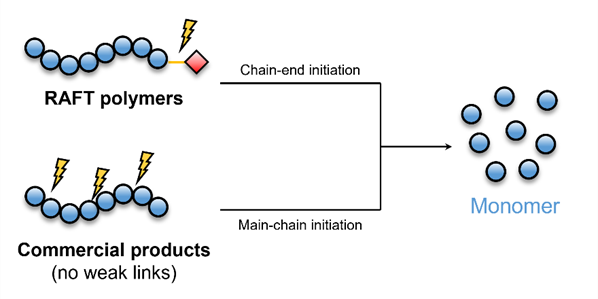
The depolymerization of vinyl polymers (all-carbon backbone) is a promising approach to advance chemical recycling. However, conventional approaches involve extreme temperatures (typically >400 °C), leading to high energy consumption and side reactions. Here, we demonstrate a low-temperature approach for (1) the uncontrolled and controlled depolymerizations of polymethacrylates synthesized by reversible addition-fragmentation chain-transfer (RAFT) polymerization and (2) the depolymerization of commercial polymethacrylates (e.g. Plexiglas). These strategies not only enable mild chemical recycling but also offer valuable insight into polymer characterization.
Speaker Bio:
Hyun Suk Wang received his B.Eng and M.Eng in Chemical Engineering from Korea University. He then obtained his PhD at ETH Zurich under the supervision of Prof. Athina Anastasaki as a Swiss Government Excellence Scholar. During his PhD, Hyun Suk’s research revolved around polymer synthesis via controlled radical polymerization and the chemical recycling of polymers via depolymerization. He is the recipient of numerous awards including the Prix Schläfli in Chemistry, ETH Medal, ACS Global Outstanding Graduate Student Award, and the Swiss Chemical Society MatChem PhD Student Award, and the ETH Zurich MaP Award.
15 December: Frank Koppens
Title: Optical probing of quantum geometry and correlations in graphene moire systems
Speaker: Frank Koppens, ICFO Barcelona
Abstract:
Moiré
superlattices formed by stacked and twisted 2D materials offer unprecedented
control over electronic interactions, topology, and light–matter coupling. In
this talk, I will show how graphene-based moiré structures can be engineered
into quantum devices with functionalities beyond conventional semiconductors.
We will discuss how nanoscale optoelectronic probes reveal correlated phases
and quantum geometry, and how their interplay leads to practical quantum
optoelectronic devices. These include ultra-sensitive broadband detectors for
THz frequencies and mid-infrared single photon devices. Together, this points
to a roadmap for scalable quantum technologies based on atomically thin moiré
materials
Speaker Bio:
Prof. Frank Koppens is group leader at the Institute of Photonic Sciences (ICFO). The Quantum Nano-Optoelectronics Group, led by Prof. Koppens, is at the forefront of researching the fundamental science and potential applications of two-dimensional (2D) materials, focusing particularly on optoelectronic devices and interactions with light at extreme limits and at the nanoscale. The group integrates the realms of nanophotonics, 2D materials, twisted 2D materials, topology, emerging phenomena, and strong light-matter interactions, creating a multidisciplinary research program. Koppens has received the ERC starting grant, the ERC consolidator grant, and five ERC proof-ofconcept grants. Other awards include the Christiaan Hugyensprijs 2012, the national award for research in Spain, the IUPAP young scientist prize in optics, and the ACS photonics investigator award. Since 2018 Koppens is on the Clarivate list for highly cited researchers, in the physics category, and in 20220 he was elected as fellow of the American Physical Society. Koppens is cofounder of Qurv technologies (qurv.tech), which develops Intelligence Through Vision applications. Koppens is also advisor of Axiomatic-AI (axiomatic-ai.com), which develops interpretable and verifiable AI for science & engineering.